
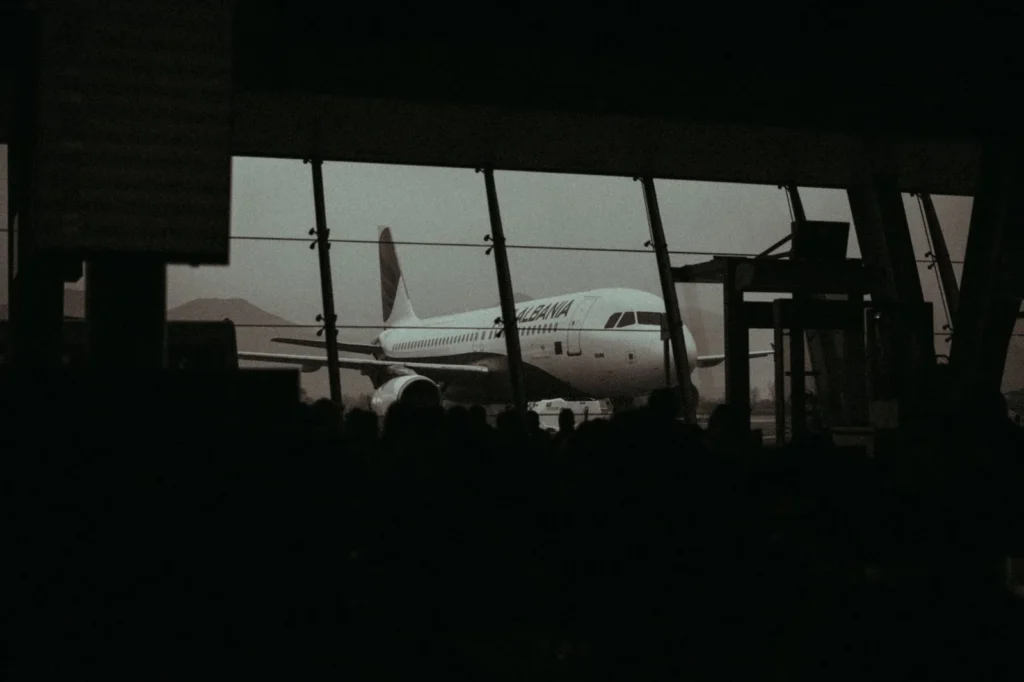
This Jeddah travel safety update gives the position as we found it on 15 October 2026. The short answer: the UK Foreign Office now lists Jeddah among the cities it advises against all but essential travel to, and it applies the same wording to every Saudi airport apart from Medina International Airport. So both the city and King Abdulaziz International Airport (KAIA), where most visitors land, sit inside that warning. What follows explains what that means on the ground, how to prepare, what to do if an alert or incident happens while you are in town, and which numbers to keep handy.
We run transfers; we are not a security body. Each fact below comes from an official source we opened that day, and those sources are being revised often. Open your own country’s live guidance before you set off and once more on the morning you head to the terminal.
Jeddah travel safety update: what changed this week?
London’s Saudi Arabia guidance was last revised on 13 October 2026. Its summary mentions regional tensions, military zones and border posts. It records that, since 13 July, the Houthis have launched missiles and drones at several locations in the Kingdom, and it describes a heightened threat to airports, ports, military bases and energy sites nationwide.
One line matters most for anyone flying through Jeddah: London judges further attacks on airports, along with disruption and cancellations, to be “very likely”. It names no date or place, and we add nothing to it.
Ports are on the same threat list. If you are joining or leaving a cruise at Jeddah Islamic Port, ask the cruise line directly about its current plans for the call, and keep checking its messages up to embarkation day.
Separately, London’s update mentions what it calls a serious incident at the main Riyadh airport, King Khalid International, on 10 October, and tells Britons to stay clear of that airport until it is secure. That instruction concerns Riyadh, not KAIA, but it can still touch Jeddah visitors whose connections or domestic hops run through the capital.
Where does Jeddah sit in Britain’s list of named places?
The UK guidance works in two tiers. The stricter one covers a strip within 10km of the Yemen border, where it advises against all travel. The second tier, all but essential travel, covers four provinces (Aseer, Riyadh, Najran and Jizan), three cities (Taif, Jeddah and Dammam) and every airport except Medina’s.
Translated to a Jeddah stay, that means:
- The whole city is covered, whether your hotel is in Al-Balad, on the Corniche, near Tahlia Street or up in Obhur.
- Taif is named separately, so the mountain road from Jeddah links two listed cities.
- KAIA, Taif’s airport and Yanbu’s airport all fall under the airports line.
- Medina International Airport is the single airport left out of that line.
The Taif listing deserves a moment’s thought if your plans include the escarpment. A day out to Al Hada or Al Shafa now begins in one named city and ends in another, so the same questions about essential travel, insurance and flexibility apply to the excursion as to the stay itself. If you do go, keep the hotel and consulate details for both cities on your phone.
Makkah, Madinah city and AlUla are absent from that list. Read that strictly as a description of the wording, not as a verdict that anywhere is risk-free; the guidance mentions targets in several parts of the country and can be widened at short notice. Coastal places north of the city, such as Thuwal, Rabigh and King Abdullah Economic City, are not listed by name either.
Is a visit to Jeddah ruled out by “all but essential”?
No. The phrase is guidance from a foreign ministry, not a ban. Saudi authorities decide who may enter and move around, and nobody publishes a checklist of what counts as essential; that judgement is yours. A hospital appointment, a work rotation, a university term or a family wedding may have fixed dates, whereas a seafront break usually can wait.
Questions that help you decide:
- Can the purpose of the trip be met later, or online?
- Can I change or refund flights and the hotel without heavy penalties?
- Is anyone in my party, such as an elderly parent or a baby, likely to struggle if plans change suddenly?
Writing the answers down turns a vague worry into a decision you can explain later to an employer or a relative.
Checking the guidance from your own country
Visitors to Jeddah come from all over the world, and each foreign ministry sets its own level. Those we could open differ noticeably:
- The US State Department advisory, issued 12 October, sits at Level 3, Reconsider Travel, with Level 4 near Yemen. It says US officials need special permission to use any Saudi airport or to visit Taif and Yanbu, and it warns against night driving outside Riyadh, Jeddah and Dhahran.
- Canada’s travel advisory for Saudi Arabia, revised 11 October, asks people to avoid non-essential travel and to avoid King Khalid International Airport altogether.
- Australia’s Smartraveller tells readers to reconsider their need to travel and notes that Red Sea cities, Jeddah and Yanbu among them, have been targeted in the past.
Whatever your passport, go straight to your foreign ministry’s own site, not a news summary, and note the revision date printed there.
Planning days out in Jeddah while the warning stands
If you are already here, or have decided the trip is necessary, a few habits make each day simpler. Keep outings closer to your base, so that getting back to the hotel is never a long cross-town ride if roads are closed. Pick one main stop per outing rather than chaining the Corniche, Al-Balad and a mall into a single evening, and tell someone at the hotel roughly where you are going.
Ticketed attractions, waterfront events and restaurants can change their plans at short notice when the city is on alert. Check the venue’s own channels on the day and keep the booking flexible where you can. For beach clubs, boat trips from the marinas and anything near the port, ask the operator directly whether it is running before you set off.
A word on cover: British guidance warns that travelling against it could leave your travel insurance invalid, so ask your insurer in writing whether you are covered for Jeddah and for KAIA, and what changes if the level rises while you are here. Policies sold in other countries follow their own rules. We cannot predict any claim and do not sell policies.
Before you fly into Jeddah: phone, papers and people at home
Sign up for update alerts first. Britain’s travel service emails subscribers whenever its Saudi guidance changes, and the US State Department asks its citizens to join the Smart Traveler Enrollment Program (STEP) so the mission can reach them in an emergency.
Then store the basics where they work offline:
- Scans of passports, visas, tickets and the cover certificate, on your phone and on paper.
- Your hotel’s address in English and Arabic, with a direct landline or mobile number for the front desk.
- Your consulate’s details, the emergency line on your policy and the airline’s help page.
- The reference and phone number from your booking confirmation with us.
Leave a copy of your flights and hotel with someone at home and agree when you will message each other. A charged power bank is worth carrying on every outing, because a disrupted day often means a long wait for news.
Jeddah airport disruption: handling a delayed or cancelled flight at KAIA
With London warning that cancellations at Saudi airports are likely, treat any departure from KAIA as provisional until you are on board. Confirm both the booking and the live flight status before leaving for KAIA: once the evening before, and again before you check out.
Your carrier is the first port of call for a delay or cancellation. It controls rebooking, refunds and any meals or rooms it must provide, and its app or text messages often show new options before the desk queue moves. The airport’s site, kaia.sa, has arrivals and departures tabs, but what your airline says about your own booking comes first.
Saudi Arabia’s aviation regulator, GACA, sets out what passengers are owed when flights are delayed or cancelled. We could not load GACA’s rights section while writing, so we do not summarise it; look it up on the GACA site or ask your airline which rules apply to your ticket. For the practical side of an unplanned night, see our guide to finding a bed after a cancelled flight at Jeddah.
Inside the terminal, do what ground and security staff ask the moment they ask it, even when it slows you down. If your flight uses Terminal 4, our explainer on KAIA’s Terminal 4 describes how that building works.
Moving your pickup or drop-off when the flight changes
Tell us about a new flight number or date the moment you have it. A change sent the night before is far simpler to arrange than one sent from the kerb. For departures, our note on rechecking your drop-off terminal before departure day helps you confirm the right building and leaving time.
If you are already at KAIA when a flight is cancelled and need to get back into town, message us with where you are and where you are going. Whether a car can come straight away depends on drivers, traffic and any restrictions in force, so we cannot guarantee it, but we will give you a straight answer. If you would rather sleep close to the runway before a rescheduled early flight, our guide to airport-area hotels for early departures may help.
An alert while you are out on the Corniche, in Al-Balad or at a mall
London’s guidance notes that Saudi Civil Defence may send early warning alerts to people in affected areas. We have not verified how those alerts reach a visitor’s handset, so we describe no system. The response the guidance asks for is clear, though: follow local authorities and, if told to shelter, stay inside or go to the nearest safe building or designated shelter. Its regional-risks section adds that an inner stairwell, or a room with few outside walls and windows, can give extra protection.
In Jeddah terms, that might look like this:
- On the waterfront promenade, move into the nearest solid building rather than staying in the open by the sea.
- In Al-Balad’s lanes, step into a shop, museum or hotel and follow staff directions.
- At the Haramain railway station in Al-Sulaymaniyah, or on a platform, follow station staff and announcements.
- In a mall such as Red Sea Mall, listen for announcements and do what security staff say rather than heading for the car park.
- At your hotel, follow reception’s instructions and keep away from large windows and glass atriums.
- Do not walk towards the scene of anything, and do not join a group gathering to look.
- Once safe, send family a short text saying where you are.
Stay put until officials signal that it is clear. Contact your consulate if you are injured, have lost documents or need help getting home.
What happens if you are in one of our cars at the time?
Our drivers obey police, civil defence and security instructions without exception. That may mean pulling over, waiting, turning around or taking a different road, and the driver may not be able to explain why straight away. Please follow their lead and any instruction from officials, including leaving the car for a building if people are told to take shelter.
If the authorities close roads or ask people to shelter, the trip may pause or end early. We will work out the next step with you once movement is permitted, rather than pressing on against an instruction.
Cameras, rumours and restricted sites around the city
Photography needs particular care at the moment. London’s guidance tells visitors not to take or pass on pictures of conflict-related incidents. Separately, Saudi law, as summarised by the British advice, bans filming government buildings, diplomatic premises, military installations and palaces. The US advisory makes a similar point about interception and impact sites. In a port city with consulates and official buildings, keep the camera down near anything official, even if others nearby are filming.
Messaging groups fill quickly with clips that may be old, edited or from another country. Check what Saudi authorities, your airline, the airport and your own ministry are saying before acting on, or forwarding, anything you see.
Visitors are also asked to keep clear of oil installations and defence sites. If you are unsure whether a waterfront or industrial spot falls into that category, pick somewhere else for the afternoon.
Foreign consulates in Jeddah: finding the right office
Embassies are in Riyadh, but several countries also run consular offices in Jeddah. Start with your foreign ministry’s website, which will list its Saudi missions and say which one serves the western region. The four below were checked on official sites while preparing this update:
- British Consulate General Jeddah: its GOV.UK page says visits are by appointment and that people should use its online contact form, including for emergencies. Britons can also ring the FCDO in London on 020 7008 5000, listed as answered 24 hours.
- U.S. Consulate General Jeddah: listed on the US Embassy’s Saudi site, sa.usembassy.gov; the State Department tells citizens to contact the Riyadh embassy or the consulates in Jeddah or Dhahran.
- Consulate General of India, Jeddah: its official site, cgijeddah.gov.in, has a section of advisories for Indian nationals.
- Canada: Ottawa’s advisory lists an honorary consul in Jeddah at Ali Reza Tower, Medinah Road, telephone 966 (12) 653-0434; the embassy is in Riyadh.
If your country is missing here, it may well have an office in the city; we only listed details we could open on an official site. Avoid directory websites, where numbers are often out of date.
Numbers and pages to save on your phone today
- 911 for ambulance, fire and police, per the British getting-help section.
- 112 if your phone has no Saudi SIM, per the same source.
- 999 police, 997 medical and 998 civil defence, fire and rescue, as listed by Smartraveller and by Canada; the British advice also gives 998 for Civil Defence.
- 020 7008 5000, the round-the-clock London line for Britons.
- The GOV.UK Saudi Arabia guidance, plus your own ministry’s equivalent.
- Your airline’s app, then the KAIA arrivals and departures listings.
For non-urgent medical visits during your stay, our guide to getting to a Jeddah hospital appointment explains how those journeys work.
A fictional example: two cousins and a rescheduled flight home
The following is invented to show the steps in practice; the people are not customers. Two cousins are in Jeddah for a family celebration. The evening before they are due to fly, the airline app shows their flight cancelled and offers a seat two days later.
They screenshot the notice, accept the new seat, and ring the hotel to add two nights. Then they send us their booking reference with the old and new flight numbers and ask to move the airport run. Last, they email the company that covers their trip to log the disruption, attaching the airline’s message.
On the new day they check the flight and the Foreign Office update before leaving the hotel, and go. Nothing dramatic happens; the benefit came from telling everyone early and in a sensible order.
How we run Jeddah transfers while the warning stands
We would rather be honest than reassuring. While the current guidance is in place, we cannot promise that every journey will run as planned. Roads may close, movement may be limited and timings may slip, and our drivers will always follow the authorities rather than a schedule.
What we can offer is a quick reply when you contact us early, clear information if a trip cannot go ahead, and a rearranged booking where conditions allow. Our normal terms apply: cancel at least 48 hours before pickup for free cancellation with a full refund; inside 48 hours, the deposit is retained. If your flight has moved, tell us first, so we can try to shift the booking instead of cancelling it.
A last checklist before any journey this month:
- Open your ministry’s live guidance and note when it was last revised.
- Get written confirmation of what your policy covers.
- Confirm the booking and flight status before leaving for KAIA.
- Keep passports, hotel details and consulate contacts available offline.
- Save 911, plus 112 if you have no Saudi SIM.
- Follow officials and staff without delay.
- Keep cameras away from incidents and restricted sites.
- Message us early about any change.
If you still need a ride in or around the city, or want to change one you already hold, use our transfer finder and tell us about anything that could affect the trip. We will keep reading the official sources and revise this guide as they change.
Sources reviewed 15 October 2026: GOV.UK Foreign travel advice for Saudi Arabia (warnings and insurance, regional risks, safety and security, getting help; updated 13 Oct), GOV.UK listing for the British consulate in Jeddah, US Department of State Saudi Arabia Travel Advisory (issued 12 Oct), US Embassy and Consulates in Saudi Arabia (Jeddah consulate listing), Government of Canada travel advice for Saudi Arabia (revised 11 Oct), Australian Government Smartraveller Saudi Arabia page, Indian consulate in Jeddah website, King Abdulaziz International Airport website. This is a summary of official guidance at the time of writing, not security, legal or insurance advice, and readers must check the live pages before travelling. Photo: Jasinto Shabani / Pexels.