
Viewing rental homes in Jeddah is a different task from booking somewhere to sleep tonight. You are investigating a future home, often while living in temporary accommodation, and the appointments need to help you compare real properties. Start with a manageable shortlist, a confirmed person who can show each unit and the everyday journeys that location would create.
This guide concerns in-person viewings before choosing a residential rental. It helps organise the visit, record useful observations and request the passenger journeys involved. It does not determine your eligibility to rent, interpret a tenancy contract, inspect building safety or recommend a particular broker. Obtain those answers from the appropriate official service or qualified professional.
Define what the viewing must help you decide
Write down the household’s essential requirements before accepting appointments. These might concern sleeping arrangements, building access, space for working, the proposed move-in date or a journey to work. Separate requirements from preferences. Otherwise the first attractive room can distract you from a condition that would make the home unusable for somebody in the household.
Ask the people who will live there what an ordinary weekday involves. One adult may leave early, another may work from home, and children may have appointments or activities elsewhere. You need to understand those routines before judging a neighbourhood by a photograph or by its distance from a waterfront attraction.
Decide who should attend the viewing and what each person needs to assess. An adult making the final choice may need to see the property personally. A relative can help take notes without having authority to accept terms. Agree those roles so the person arranging transport does not accidentally become the household’s property decision-maker.
Keep your temporary stay secure while searching. A viewing appointment is not an accepted tenancy, and a promising conversation is not permission to move in. Avoid checking out with all your cases to visit a property that nobody has agreed to provide. Treat accommodation for the search period and the possible future home as separate arrangements.
Turn a listing into a confirmed appointment
Ask whether the exact advertised unit is available to inspect, rather than only another unit in the same building. Obtain its building name or address, unit identifier where relevant and the person who will meet you. A photograph of a furnished show apartment does not establish that the offered rental has the same layout or contents.
Confirm the date and the purpose of the meeting. Is it a viewing, an office discussion, a document appointment or an actual handover? Those stages need different preparation. A meeting at the brokerage office may be useful, but it should not be recorded as having inspected the home merely because somebody showed you more photographs.
Ask the contact to explain their role: landlord, property manager, broker or another authorised representative. Keep their business details with the appointment. Ejar’s official services page lists a way to verify a brokerage office’s registration. Use the relevant official process instead of deciding that a familiar logo or a forwarded message establishes authority.
Get a working contact for the visit and clarify what to do if the representative is unavailable. You should not need to enter a private building without the person responsible for receiving you. Ask about visitor instructions and whether everyone attending needs to be named beforehand, without assuming that a taxi booking provides building access.
Keep the shortlist small enough to compare properly
Choose properties that meet the essentials on the information currently available. If a required feature is missing from the listing, ask before travelling. You do not need to reject every unanswered question immediately, but identify which answer would change the decision. A long day visiting unsuitable homes can leave less attention for the serious options.
Group appointments by practical location only after confirming their availability. Nearby buildings might make a sensible sequence, while a property on the other side of the city may deserve a separate visit. Do not ask a representative to change their confirmed appointment simply because an unverified map estimate suggests you can fit another viewing between them.
Leave room to examine a property and ask questions. A viewing that ends at the doorway does not provide the same information as a visit where you understand the rooms, access and immediate surroundings. Obtain the representative’s expected arrangement rather than assigning every apartment an identical number of minutes in a tightly packed schedule.
Give each candidate its own label in your notes. Use a building or unit identifier that matches the person showing it, not just “the second flat”. Save the address and relevant listing privately. Similar rooms and repeated photographs become difficult to distinguish after several visits, particularly when another family member reviews the options remotely.
Check the actual approach to the building
Observe how you reach the entrance from the place a vehicle can lawfully stop. A map may place the pin at the building’s centre, while visitors enter from another street. Ask the representative which entrance to use. Keep the arrival address distinct from an office address or a nearby landmark that appears in the advertisement.
Consider the route in the way your household would use it. If somebody has an access requirement, ask about the actual steps, lift and route to the unit. A feature visible in a photograph does not establish that the complete approach suits that person. Have essential suitability assessed by the appropriate people before treating it as resolved.
Notice where deliveries and visitors are received and how residents enter at different times. Ask who explains the building’s current arrangements. Your aim is understanding the ordinary routine, not testing security or asking staff to disclose other occupants’ information. A resident entrance and an estate agent’s viewing entrance may serve different purposes.
For a passenger pickup after the viewing, identify a place your party can actually reach. The entrance used to inspect the unit may not be suitable for a waiting vehicle. Discuss the proposed location with the transport provider and follow current on-site instructions. The representative can describe the building; the provider must assess the road journey.
Record the unit you saw, including unanswered questions
Look at the arrangement of rooms against your household’s real activities. Where would people sleep, sit, study or work? Does the layout support somebody resting while another person is awake? Avoid replacing those questions with a single judgement that the apartment is spacious. Useful space is space that meets a need you identified beforehand.
Ask what is included in the offer you are considering. Furniture, appliances and fixtures seen during a viewing may belong to the current occupant or a demonstration arrangement. Record the representative’s answer and seek the appropriate written clarification. Do not assume that every object you photographed becomes part of the eventual agreement.
With permission, take a few photographs that help the household remember the layout. Avoid capturing other occupants, private documents or personal possessions unnecessarily. Label the images with the candidate identifier. If photography is not permitted, make a factual note instead of treating the restriction itself as proof that the property has a problem.
Separate observation from explanation. You may notice a mark on a wall, hear a sound or find that an appliance is not demonstrated. Record what you saw and ask about it. A viewing is not a technical survey; do not diagnose a fault, certify safety or assume that a promised repair has already been completed.
Keep unresolved items visible. For example, “representative to confirm which furniture remains” is different from “furnished as viewed”. If an answer is essential, obtain it before relying on the offer. An attractive overall impression should not quietly turn every pending question into an accepted fact when you discuss the property later.
Investigate the surrounding routine without choosing a district by reputation
Use the proposed home as the starting point for a normal day. Identify the actual workplace, school appointment, family destination or other place you would reach regularly. A neighbourhood name alone cannot establish the journey. Even within one district, the building entrance and route to the road can make your practical movement different.
Ask how you would buy ordinary supplies and receive important deliveries. Look at the route you would actually use, rather than assuming a nearby shop on a map is accessible in the way you intend. If a service is important, verify it directly. A broker’s broad description of the area is a starting point for enquiries.
Visit the surrounding streets in a suitable way when it helps your decision. Consider what you can genuinely observe at that time and what needs another enquiry. One quiet afternoon cannot establish every evening’s noise or every morning’s traffic. Avoid making a guarantee to the family from a single brief visit.
If a waterfront location attracts you, our guide to the different Corniche destinations helps explain why one broad place name is insufficient. Use the specific area and building address when assessing your own routine. The guide describes visitor destinations; it does not rate residential districts or prove that a home is close to everything you need.
Compare the offers on equal terms
Put each candidate beside the same household requirements. Record the proposed rental period, occupants, available date and the costs or services the representative has actually explained. Mark figures as quoted, unanswered or awaiting the proper documents. Comparing a complete offer with a headline price can make the less-defined property appear better value than it really is.
Ask the responsible party about charges and the process that would follow an accepted choice. Do not infer deposits, fees, included services or payment timing from another property. Keep a requested payment distinct from an amount you have agreed and understood. Use official guidance and qualified advice if the contractual or financial position is unclear.
Ejar’s tenant guidance advises inspecting the unit with the landlord or broker and reading the contract’s details carefully. A viewing and a contract therefore answer different questions. This article does not interpret the terms for you or establish that you can sign a particular agreement; use the appropriate process for your circumstances.
Separate genuine essentials from features that merely made a good impression. A second sitting area might be useful, but it cannot compensate for an unresolved move-in date when the household needs a home then. Revisit the original requirements before choosing. A short list of reasons is more helpful than a ranking based only on attractive photographs.
Plan viewing transport as passenger journeys
Give the provider the date, actual pickup and confirmed appointment destinations, with the people travelling. Explain the intended sequence and ask what arrangement can be assessed. Several viewings do not automatically create a car and driver at your disposal all day. An accepted journey needs a clear scope rather than an open invitation to follow changing property messages.
Confirm how the party will leave each appointment. Depending on the supported arrangement, you may need separate journeys or another expressly agreed sequence. Do not assume the outward driver remains during an inspection. The time required inside the property, any waiting and a later collection are matters to resolve before relying on the service.
Choose the vehicle for the actual viewing party and belongings. An adult visiting alone has different requirements from two adults accompanying children. Our guide to comparing transfer options helps review the offered scope. Do not choose a larger vehicle because you imagine it will also perform a future household move.
A viewing transfer carries the passengers and agreed belongings described for that journey. It does not move furniture, handle keys for a tenancy, inspect a home or negotiate with its representative. If the household later moves, arrange the removal task with an appropriate provider and any passenger transport separately. Keep those services out of today’s viewing request.
Where children join the visits, include them accurately and ask about essential travel requirements through the actual booking process. The passenger and luggage planning guide explains why the real load matters. Confirm the arrangement offered rather than assuming a viewing day includes childcare, a particular seat or unlimited stops.
When an appointment changes or the unit is unavailable
Ask what has changed before accepting a substitute. Another unit may have a different layout, price, available date or entrance. Decide whether it still meets the shortlist requirements. The fact that you are already travelling should not turn a representative’s replacement suggestion into an obligation to inspect or accept it.
If the address or appointment sequence changes, contact the transport provider about the affected request. A property message does not update a car booking. Obtain the provider’s answer before telling everyone that the driver will simply go elsewhere. Follow its current amendment process and keep any extra cost enquiry attached to the actual journey.
If the representative does not arrive, keep the party in a suitable place and contact the agreed person. Decide whether to wait, return to your base or attend another genuinely confirmed appointment. Do not enter a private unit because somebody sends instructions from an unfamiliar account while the authorised contact remains unreachable.
Preserve the distinction between a missed viewing and an unsuitable property. You may have learnt nothing about the unit because the appointment failed. Record that honestly rather than inventing an inspection result. Ask about rescheduling if it remains a serious candidate, and decide separately what transport is now necessary.
A fictional comparison: two homes, different unresolved questions
In this fictional example, Samira and Daniel are staying temporarily in Jeddah while considering a residential rental. They shortlist two homes that appear to fit their household. One is advertised with furniture; the other has a layout they prefer but an uncertain available date. They ask each representative to confirm the actual unit and appointment.
At the first viewing they learn that some furniture shown in the listing is not part of the proposed offer. They record which items need clarification instead of photographing everything and calling the unit fully furnished. At the second they examine the rooms but leave the start date marked as unanswered until the responsible party responds.
They compare the route from each building to their regular destination using the real addresses. They do not decide that the coastal option is automatically more convenient because it has a recognisable neighbourhood name. Their notes distinguish the unit, the entrance, the ordinary journey and the offer’s unresolved terms.
Their passenger bookings connect the confirmed visits and temporary base. Neither driver selects the property or handles a tenancy payment. Before deciding, the couple follows the relevant verification and contract process and obtains the essential answers. The example illustrates organised comparison, not a recommended property, guaranteed lease or relocation service.
Know when another visit is worthwhile
A second visit can answer a specific unresolved question, such as seeing an agreed repair or checking the actual included arrangement. Ask the representative what will be available to inspect. Repeating the same general tour without new information may not help. Identify the decision the additional journey must support before buying it.
If somebody who will live there has not seen an essential feature, decide how their input will be obtained. A video call might help them understand the layout, subject to permission, but it cannot certify an access requirement or replace qualified assessment. Do not ask the taxi driver to evaluate a home on behalf of an absent household member.
Keep the viewing record for the subsequent discussion: what was observed, what was explained and what remains outstanding. Use the exact property identifiers when contacting the representative again. That makes a request for clarification precise and prevents an answer about one candidate being carried across to another with a similar name.
Book the visits once they have a clear purpose
A useful viewing day ends with better information, even if you choose neither home. Confirmed appointments, manageable comparisons and an honest record are more valuable than a crowded itinerary. Keep the temporary stay, residential decision, any future removal and today’s passenger journeys separate, with the relevant person responsible for each.
When the appointments and addresses are settled, use the Jeddah Cabs route planner to check the passenger legs you need and request confirmation of their scope. Choose a future home through the appropriate property process; arrange transport around the visits that genuinely help you make that choice.
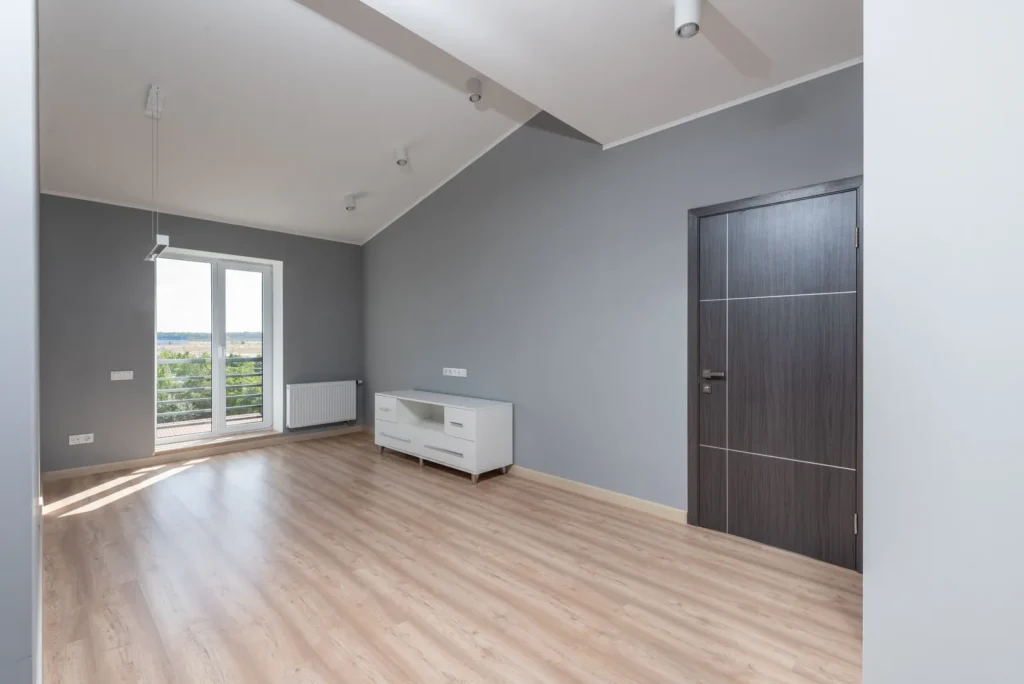
Generic residential-room photograph outside Saudi Arabia; not a Jeddah rental listing or a property available to book. Photo: Max Vakhtbovych / Pexels, used under the Pexels licence.